
Global Buyers Turn Toward Leading Quartzite Stone Suppliers for Reliable Sourcing
Foshan, Guangdong, China – November 20, 2026
When it comes to buying stone globally, you really can’t just rely on pretty slabs. What actually matters is whether the quarry is dependable, whether the grading stays consistent, whether the paperwork is clear, and whether the packing is careful enough for export. So, if you’re looking at Quartzite Stone suppliers, this guide digs into the nitty-gritty—everything from getting samples approved to planning the shipment. That’s where the real difference is made.You’ve probably heard of quartzite – it’s what geologist Hobart M. King calls “a nonfoliated metamorphic rock made almost entirely of quartz.” That’s the fancy way of saying it’s mostly quartz, which is why it’s so popular. But here’s the thing: natural stone is never perfectly uniform. The veining, the background color, even the surface feel – they can all change from one block to the next, sometimes within the same quarry. So yeah, the details really matter. If you’re buying, don’t just look at online photos. Ask for current slab pictures, compare them with actual physical samples, and make sure you’ve got the thickness, finish, quantities, and how they’re packed – all confirmed in writing, not just a handshake. You know what? A stunning sample might look impressive, but honestly, it’s not going to be enough by itself.Alright, so when you’re looking at suppliers, you’ve got to ask some pretty practical stuff. Like, can they actually trace their material back to the source? And do they give you a straight answer about quality variations or lead times? What about inspection records – can they provide them? And how do they handle shipping slabs over long distances? These are the kinds of questions that really matter, especially if you’re an architect, a fabricator, or an importer working across borders. But hey, let’s be real – no supplier is perfect. A fancy website might look impressive, but it doesn’t guarantee they’re consistently good. And that’s something to keep in the back of your mind. Honestly, the best pick really depends on your project, where it’s headed, and how much variation the buyer can live with. The supplier profiles we put together are a good starting point—but don’t just rely on those. Before you order anything, double-check current stock, specs, and terms with the supplier directly.
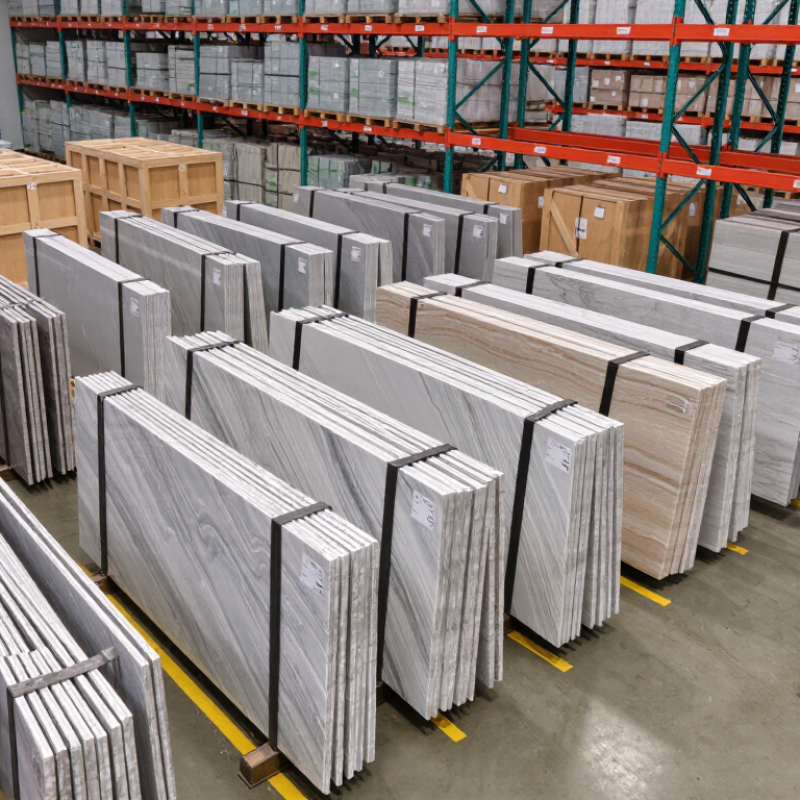 Understanding Quartzite and Its Uses in Global Stone Markets
Quartzite begins as quartz-rich sandstone, then recrystallizes under heat and pressure. Its interlocking quartz grains give it a Mohs hardness near 7, making it harder than many common countertop stones. The surface may show soft gray bands, rusty mineral streaks, or tight white veining. No two slabs look quite alike. Buyers use it for kitchen counters, wall cladding, flooring, and exterior facades, where its natural texture can suit both polished and honed finishes.
Market figures need careful reading. The USGS Mineral Commodity Summaries 2024 estimated U.S. dimension-stone production in 2023 at about 2.3 million metric tons, valued near $490 million. That figure covers multiple stone types, not quartzite alone, so it indicates sector scale rather than quartzite demand. For global sourcing, buyers should compare slab thickness, finish, and available block sizes, not just quoted price. Freight and breakage can change the landed cost.
The label alone can mislead. Some stones sold as quartzite may contain softer minerals, so a sample test can reveal how a slab handles scratching or acidic spills. Hard does not mean stain-proof.Ask for the quarry origin and test details, then inspect Full Slabs under consistent lighting; small samples hide variation. I would still treat every lot as its own material.
How Quartzite Suppliers Source and Process Natural Stone
Quartzite sourcing starts at the quarry, where geology shapes each block’s color, veining, and structure. Experienced buyers inspect fresh cuts for cracks, mineral bands, and uneven grain before approving extraction. Quarry photographs help, but they cannot show every detail. The details matter. A small sample may look calmer than a full slab, so buyers should review several slabs from the same lot. Reliable suppliers can explain where stone was quarried and how blocks were selected. Ask for clear information about any repairs or surface treatments.After extraction, workers trim blocks with diamond-wire saws and cut them into slabs. Polishing reveals the stone’s natural pattern, while careful handling helps limit chips along the edges. Some slabs receive resin to fill tiny pits or reinforce weak areas; this should be disclosed. Not every block matches. Differences are part of natural stone, but large fissures deserve close inspection. A knowledgeable supplier can discuss the intended use, finish, and maintenance rather than simply calling a material the best quartzite stone. In practice, even careful grading has limits: lighting, thickness, and installation can change how a slab appears in a room.
Top Quartzite Stone Suppliers for Global Buyers – How Quartzite Suppliers Source and Process Natural Stone
| Supply Stage | Supplier Activity | What Buyers Should Verify | Useful Documentation or Sample |
|---|---|---|---|
| Quarry sourcing | Natural quartzite is extracted from a quarry as large blocks. Geological characteristics, including color, veining, and texture, can vary between blocks and production lots. | Ask where the material is quarried and whether the offered slabs come from the same block or lot. Confirm that natural variation is acceptable for the project. | Quarry or origin details, block identification, and current photographs of the available material. |
| Material identification | Stone names used in trade are not always consistent. Quartzite is a metamorphic natural stone, but commercial names can also be applied loosely to other stones. | Request the supplier’s material description and, where classification is critical, independent testing or a petrographic assessment. | Technical description, test report where available, and a representative sample. |
| Block preparation | Quarry blocks are trimmed and sawn into slabs. Cutting direction and the characteristics of each block influence the resulting pattern and slab dimensions. | Confirm slab thickness, usable dimensions, quantity, cutting direction, and whether the selected slabs are from one production lot. | Slab inventory with measurements, lot references, and photographs of the actual slabs. |
| Surface treatment | Slabs may be polished, honed, or given another specified finish. Resin or mesh backing may be used on some materials to support processing or handling. | Specify the finish and sheen in writing. Ask whether resin or backing has been applied and whether it affects the intended installation or fabrication. | Finish sample, treatment disclosure, and written product specification. |
| Quality inspection | Finished slabs are inspected for appearance, dimensions, surface condition, and visible characteristics. Natural fissures, veins, and color changes may be part of the stone’s appearance. | Agree on acceptable variation and inspection criteria before production. Review the actual slabs rather than relying only on a small sample. | Current slab photographs or video, inspection record, and approved sample or reference slab. |
| Packing and shipping | Stone Slabs are commonly secured in suitable crates or bundles for transport. Packing requirements depend on slab size, shipment route, and handling arrangements. | Confirm packing method, crate identification, shipment quantity, handling requirements, and responsibility for transport and insurance. | Packing list, crate marks, shipment photographs, and agreed shipping documents. |
| Buyer acceptance | Final suitability depends on the project, fabrication plan, installation conditions, and the characteristics of the selected stone. | Check the delivered material against the approved selection and project specification. Consult qualified fabricators or installers about fabrication and installation requirements. | Purchase specification, approved selection record, and delivery inspection notes. |
Major Quartzite-Producing Regions and Supply Networks
Quartzite supply is concentrated in a handful of established quarrying regions. Brazil, particularly Minas Gerais and Bahia, is known for varied colors and large commercial deposits. India’s Rajasthan region also produces quartzite, often supplying stone in distinctive shades and patterns. Quarry output can change with geology, weather, and extraction conditions. Yields can shift.
From the quarry, rough blocks may travel by truck to cutting facilities before slabs are shipped overseas. Some suppliers process stone near the source; others rely on separate regional or international plants. This affects lead times, finishing options, and the consistency of slab dimensions. Not every block matches. Natural veining and color changes are normal, even within one shipment.
For global buyers, the supply network matters as much as the stone’s appearance. Ask where the material was quarried and processed, and request current slab photographs with identifying numbers. Confirm block availability, packing details, port of departure, and estimated transit time before approving an order. A sample helps, but it cannot show every variation in a full container. Even careful planning leaves some uncertainty; that is part of buying a natural stone.
Key Factors for Comparing Quartzite Stone Suppliers
Comparing Quartzite Stone suppliers takes more than reviewing polished photographs. Ask for recent images of full slabs, not only small samples, and check whether color, veining, and finish match your project needs. Details matter. Natural stone varies, so a sample can indicate quality without guaranteeing an exact match across a shipment.Confirm how the supplier identifies the material. Quartzite can resemble other stones, and appearance alone may not settle the question. Request clear product descriptions and available test information, such as water absorption or hardness data. Ask how slabs are graded and inspected for cracks, resin repairs, and uneven thickness. A reliable supplier should explain these limits plainly, rather than promise flawless consistency.For china quartzite stone, compare packing methods, lead times, and export experience alongside the quoted price. Ask how slabs are crated, protected at corners, and documented before dispatch. Check whether the supplier can share loading photos and a written order specification. Not always. A low price may reflect a different grade, finish, or selection standard, so compare like with like. Even detailed checks cannot remove the natural variation that makes each slab distinct.
Quality Standards and Verification for International Buyers
For global buyers, “quartzite” on an invoice is not proof of performance. Ask suppliers for quarry and lot identification, plus recent test reports for the actual material offered. ASTM C616/C616M covers quartz-based dimension stone; ASTM C97/C97M measures absorption and bulk specific gravity, while ASTM C170/C170M measures compressive strength. These methods make supplier results easier to compare. They do not guarantee suitability for every project.Check the figures against your intended use and project specification. A low absorption result may support an exterior application, but installation details and climate still matter. Request matching slab photographs, thickness measurements, and a sample with its lot number attached. Then compare the sample’s color and veining with the delivered slabs under natural light. Small differences are normal. Large ones deserve a question. For wholesale quartzite stone, ask whether the quoted test data apply to the same quarry block or production lot; generic catalog values are less useful. A polished face can look flawless and still hide fissures at the edge. It is worth admitting that visual inspection alone cannot settle the question. Ask an independent laboratory to verify results when the application is critical, and keep the reports with purchase records.
Quartzite Supplier Verification: A Practical Checklist
Suggested evidence items for international buyers to review when comparing quartzite suppliers.
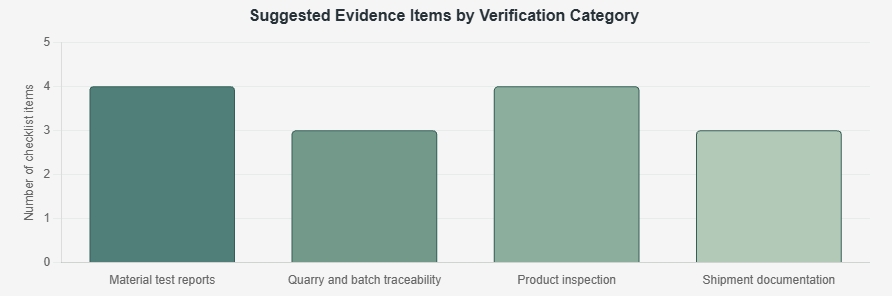
Counts represent the checklist items shown, not supplier ratings or industry statistics. For material testing, buyers may request applicable reports for properties such as water absorption, compressive strength, and flexural strength. Example ASTM methods include C97/C97M, C170/C170M, C99/C99M, and C880/C880M; confirm test-method suitability and acceptance criteria for each project.
Pricing, Shipping, and Import Considerations for Quartzite
Quartzite pricing depends on more than the quarry’s per-square-meter quote. Thickness, finish, color consistency, slab size, and usable yield all affect the final cost. Ask for the grade, dimensions, and finish in writing, then compare photos with the actual bundle when possible. A polished sample may look different from a full slab. Small details matter.
For custom quartzite stone, confirm drawings, edge profiles, tolerances, and approval samples before production. Include crating and inland transport in the quotation, not just the stone. One estimate can still miss a cost. That is worth checking twice.
For ocean shipping, ask about container loading, protective packing, transit estimates, and who arranges insurance. Request clear photos of the packed crates and their labels before dispatch.
Import costs vary by destination and shipment details. Confirm applicable duties, taxes, documentation, and inspection requirements with a qualified customs broker before ordering. Check that invoices, packing lists, and product descriptions match. Delays can happen when paperwork is incomplete, even if the stone is ready. Leave room in the schedule for port handling and local delivery; a tight installation date may not survive a shipping delay.
How to Select a Supplier for Your Project Needs
When selecting a quartzite supplier, match their capabilities to your project’s scale, finish, and delivery schedule. Ask how slabs are inspected and whether they can provide current photographs or a sample from the same lot. Natural stone varies in color and veining, so a small sample may not represent every slab. Check thickness tolerance, surface finish, edge options, and the information provided about stone origin and care. Small details matter.
Tips: Request written specifications, lead times, packing details, and a clear process for reporting damage. Confirm whether replacement material can be sourced from a similar lot. Keep a record of approved samples and slab images before fabrication begins.
A reliable supplier should answer technical questions plainly and flag limitations rather than promise perfect uniformity. Review how they handle export packing and communicate schedule changes, especially when several shipments must arrive together. If possible, inspect the actual slabs or arrange a trusted local inspection. Even a careful review cannot remove every variation; I would still allow room for natural differences in the final layout. A supplier’s responsiveness is useful, but verify details in writing.
Conclusion
Quartzite Stone is valued in global markets for its natural strength, distinctive patterns, and versatility in applications such as countertops, flooring, wall cladding, and exterior surfaces. Understanding how suppliers source blocks from quarries and process them into slabs or cut-to-size products helps buyers assess material consistency, available finishes, and suitability for a project. Production regions and supply networks can influence stone selection, lead times, and the range of colors and textures on offer.When comparing suppliers, international buyers should consider product quality, clear documentation, sample verification, communication, and experience handling export orders. Confirming dimensions, finishes, packaging, and inspection arrangements can help reduce surprises. Pricing should be evaluated alongside shipping costs, transit time, insurance, and import requirements rather than by material price alone. The best supplier is one whose capabilities, quality controls, delivery terms, and service align with the project’s technical needs, budget, and schedule.
About Us
VEMY Stone was established in 2007 and located in Foshan, Guangdong, China.
VEMY owns 2 slab factories, one main factory located in Foshan city and the other one in Zhongshan city. We have 8 automatic production lines with daily capacity of 1500 slabs and annual capacity more than 2 million SQM.
Media Contact
Company Name: Vemy Quartz Surface Co., Ltd.
Contact Person: Media Relations
Email: Send Email
Country: China
Website: https://www.vemystones.com/

